Source Safe Lifting Eye Nuts for Machinery, Construction, and Transport
Explore 30 verified listings for safe lifting eye nuts suitable for heavy machinery, construction sites, and transport applications. Buyers can compare specifications, materials, and certifications to find the right fasteners for their industrial needs.
Key considerations
Products List




Comprehensive Sourcing Guide
Strategic Sourcing Guide for Safe Lifting Eye Nuts
Understanding Technical Specifications and Material Integrity
When sourcing safe lifting eye nuts, the primary objective is to identify components that can reliably withstand dynamic and static loads without failure. The technical landscape for these fasteners is defined by a convergence of material properties, dimensional standards, and surface treatments. Based on available market data, the core material composition for lifting hardware frequently includes Carbon Steel and Stainless Steel, with specific grades such as 4.8, 6.8, 8.8, 10.9, and 12.9 indicating the tensile strength and hardness of the component. It is critical for buyers to verify that the selected grade matches the intended load requirements, as lower grades may be suitable for light-duty applications but insufficient for heavy industrial lifting.
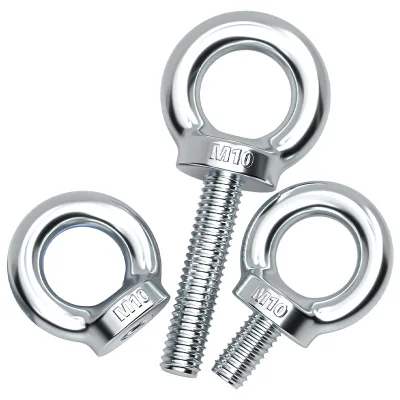
The physical dimensions and thread specifications are equally vital. The product range typically spans from M2 to M36, covering a vast spectrum of bolt sizes. For lifting applications, the thread type is often specified as UNC (Unified National Coarse) or Internal Thread, depending on the mating hardware. The head style is predominantly Round, designed to distribute load evenly across the lifting point. Some listings also reference specific models such as DIN 582, which is a recognized standard for eye bolts, ensuring that the geometry of the eye and the shank meet established engineering tolerances. Buyers must confirm that the "prod_model" aligns with the specific standard required for their machinery, as generic eye nuts may not possess the necessary structural integrity for certified lifting operations.
Surface treatment plays a significant role in the longevity and safety of the eye nut. Common finishes observed in the market include Zinc Plated, Blue Zinc Plated, Nickel Plated, and Black Oxide. These treatments provide corrosion resistance, which is essential for equipment operating in harsh environments such as chemical industries or outdoor construction sites. The choice of finish should be dictated by the operating environment; for instance, stainless steel with a natural metallic finish may be preferred for marine or highly corrosive chemical applications, while carbon steel with zinc plating is standard for general machinery. The precision grade is typically listed as Industrial Grade, but buyers should request specific tolerance data to ensure compatibility with high-precision machinery.
Compliance, Certification, and Regulatory Standards
Ensuring that lifting eye nuts comply with international standards is non-negotiable for safety and liability reasons. The market data indicates a wide array of recognized standards, including DIN, GB, ANSI, BSW, JIS, and GOST. When sourcing, procurement teams must explicitly verify which standard the product adheres to, as these standards dictate the geometric dimensions, load ratings, and testing protocols. For example, DIN 582 is a specific standard for eye bolts, while other listings may reference general standard codes like 4.8/6.8/8.8/10.9/12.9 for strength classes. Relying on a product that claims to meet a standard without providing verifiable documentation is a significant risk.
Certification serves as the third-party validation of these compliance claims. Trusted suppliers often provide certifications such as RoHS, CE, ISO9001:2015, and IATF16949. RoHS compliance ensures the product is free from hazardous substances, which is critical for environmental regulations and export requirements. CE marking indicates conformity with health, safety, and environmental protection standards for products sold within the European Economic Area. ISO9001:2015 certifies the supplier's quality management system, while IATF16949 is specifically relevant for the automotive industry, ensuring rigorous quality control processes. Buyers should not assume that a supplier possesses these certifications based on a general listing; instead, they must request current, valid certificates and verify their authenticity with the issuing bodies.
The regulatory landscape also extends to the origin of the product. Major manufacturing hubs for these components include Zhejiang and Hebei in China. While these regions are known for robust manufacturing capabilities, the origin does not guarantee quality on its own. Buyers must evaluate the specific factory's track record and the consistency of their production processes. The "prod_origin" field in supplier data is a starting point, but the actual quality assurance protocols implemented at the facility are what determine the safety of the final product. Additionally, the condition of the product is universally listed as "New," but this should be verified through physical inspection or third-party testing reports upon receipt to ensure no defects were introduced during manufacturing or shipping.
Cost Drivers and Economic Factors in Procurement
The pricing of safe lifting eye nuts is influenced by a complex interplay of material costs, manufacturing complexity, and order volume. The observed price range in the market spans from $0 to $8.23 USD, a variance that reflects differences in material grade, size, and surface treatment. Smaller diameters like M2 or M3 may fall at the lower end of this spectrum, while larger, high-grade stainless steel components can approach the upper limit. However, price should never be the sole determinant in procurement decisions for safety-critical lifting hardware. A lower price point may indicate the use of inferior materials or a lack of rigorous quality control, which poses a severe risk of catastrophic failure under load.
Order volume is a primary driver of unit cost. The Minimum Order Quantity (MOQ) ranges widely from 1 to 10,000 units. Suppliers offering low MOQs are often more suitable for prototyping or small-scale maintenance projects, whereas high-volume orders typically benefit from economies of scale. Buyers should negotiate based on their projected annual usage rather than immediate needs to secure better pricing tiers. Customization is a significant cost factor; while standard products are generally more affordable, custom specifications such as unique dimensions, specific thread types, or specialized surface treatments will incur additional tooling and setup costs. The "Customization" attribute is widely available, but buyers must be prepared for the associated price premiums and longer lead times.
Lead time is another economic consideration that impacts the total cost of ownership. The typical delivery time for these components is between 10 and 35 days. This range can fluctuate based on the complexity of the order, the availability of raw materials, and the current production schedule of the supplier. Expedited shipping options, such as Air Freight or Express, are available but will significantly increase the overall cost. Sea Freight is the most economical option for large shipments but requires careful planning to avoid production delays. Buyers should factor in these logistics costs when calculating the total budget, ensuring that the supply chain remains resilient against potential disruptions.
Typical Applications and Operational Context
Safe lifting eye nuts are integral to a diverse range of industrial applications, each imposing unique demands on the hardware. The observed application areas include Metal Casting Machinery, Metal Coating Machinery, Metal Drawing Machinery, and Metal Engraving Machinery. In these contexts, the eye nuts are subjected to repetitive loading cycles and potential exposure to heat, chemicals, or abrasive materials. The selection of the appropriate eye nut depends heavily on the specific machinery and the nature of the load. For instance, in Metal Spinning Machinery, the eye nuts must withstand high rotational forces, while in Metal Straightening Machinery, they must handle significant tensile loads.
The versatility of these components extends to broader sectors such as the Chemical Industry, Environmental sectors, and Building construction. In chemical environments, corrosion resistance is paramount, making Stainless Steel with natural metallic finishes or specialized plating essential. In building and construction, the focus shifts to high tensile strength and reliability under dynamic loads. The "Application" field often lists "Metal Processing Machinery Parts," indicating that these eye nuts are frequently used as critical lifting points on larger equipment. Buyers must ensure that the eye nuts they procure are compatible with the specific machinery they are installing or maintaining.
Furthermore, the customization capabilities of suppliers allow for tailored solutions in complex scenarios. The "Drawing Format" support for PDF, 2D/3D, Dwg, Igs, Step, and Solidworks files enables precise engineering integration. This is particularly useful for custom lifting fixtures or specialized machinery where standard eye nuts may not fit. The "Service" attribute often includes Customized OEM and ODM, suggesting that suppliers can manufacture components based on specific client drawings. This flexibility is crucial for industries with unique operational requirements, ensuring that the lifting hardware is perfectly aligned with the machine's design and safety protocols.
Supplier Evaluation and Quality Assurance Protocols
Evaluating a supplier for lifting eye nuts requires a rigorous assessment of their manufacturing capabilities and quality control systems. The "Quality Control" attribute often states "100% Inspection Before Shipping," which is a positive indicator but should be validated through audits or sample testing. Buyers should inquire about the specific inspection methods used, such as tensile testing, hardness testing, and visual inspection for surface defects. A supplier that can provide detailed inspection reports for each batch demonstrates a commitment to quality and safety.
The "Service" aspect of supplier evaluation includes their ability to provide technical support and customization. Suppliers offering "Customized OEM ODM" services should be able to collaborate closely with the buyer's engineering team to ensure the final product meets all design specifications. The "Drawing Format" support mentioned earlier is a key indicator of a supplier's technical proficiency. A supplier that can accept and process various file formats is better equipped to handle complex custom orders. Additionally, the "Shipment Terms" offered, such as Express, Air Freight, or Sea Freight, reflect the supplier's logistical capabilities and flexibility in meeting delivery deadlines.
When selecting a supplier, buyers should also consider the "prod_packing" methods. Options like "Cartons & Pallets," "Bag+Carton+Pallet," or "PP Bag Inside, Outside Carton Box" are standard, but the quality of packaging is crucial to prevent damage during transit. Proper packaging ensures that the eye nuts arrive in pristine condition, free from corrosion or physical deformation. The "prod_origin" location, whether Zhejiang or Hebei, can influence the supplier's logistics network and lead times, but the primary focus should remain on the supplier's track record and the quality of their output.
Long-Term Procurement Considerations and Risk Management
Sourcing safe lifting eye nuts is not a one-time transaction but a long-term strategic partnership that requires ongoing risk management. The "Condition" of the product is listed as "New," but buyers must establish protocols for regular inspection and replacement schedules. Over time, lifting hardware can suffer from fatigue, corrosion, or wear, which compromises its safety rating. Implementing a preventive maintenance program that includes regular visual inspections and periodic load testing is essential for ensuring the continued safety of lifting operations.
The availability of spare parts and the supplier's ability to fulfill repeat orders are critical for long-term procurement. A supplier with a stable production capacity and a history of consistent quality is preferable to one that fluctuates in output. The "Standard" compliance, such as DIN, ANSI, or JIS, should be maintained across all future orders to ensure interchangeability and compatibility with existing equipment. Buyers should also consider the environmental impact of their procurement choices, prioritizing suppliers who adhere to RoHS and other environmental standards.
Finally, the "Customization" aspect offers a pathway for continuous improvement. As machinery evolves, the lifting hardware may need to be adapted to new designs or load requirements. A supplier that offers flexible customization and maintains open communication channels can support these changes effectively. By fostering a collaborative relationship with suppliers, buyers can ensure that their lifting systems remain safe, compliant, and efficient over the long term. The "Service" attribute, including OEM and ODM capabilities, underscores the importance of a supplier who can grow and adapt alongside the buyer's operational needs.
FAQs
What materials are used for safe lifting eye nuts?
Safe lifting eye nuts are commonly made from Carbon Steel, Stainless Steel, or Aluminum. Buyers should verify the specific grade, such as 4.8 or 10.9, to ensure the component matches the required tensile strength for their application.
Which standards do these eye nuts typically meet?
These components often adhere to DIN, GB, ANSI, BSW, JIS, and GOST standards. Specific models like DIN 582 are recognized for eye bolts, ensuring geometry and tolerances meet established engineering requirements for safe lifting operations.
How can I find suppliers offering customization options?
Many manufacturers provide customization services based on customer drawings in PDF, 2D, or 3D formats. Buyers should confirm if the supplier supports OEM or ODM services and can accommodate specific dimensions or thread types like UNC.
What certifications should I look for in a supplier?
Trusted suppliers often hold certifications such as RoHS, CE, ISO9001:2015, and IATF16949. These documents validate compliance with safety, environmental, and quality management standards, which is critical for liability and regulatory adherence in industrial settings.
What is the typical delivery time for these products?
The standard delivery time ranges from 10 to 35 days depending on order volume and complexity. Expedited shipping via Air Freight is available but increases costs, while Sea Freight is more economical for large shipments.
Can I order small quantities for testing purposes?
Yes, suppliers offer Minimum Order Quantities ranging from 1 to 10,000 units. Low MOQs are suitable for prototyping or maintenance, while higher volumes typically secure better pricing through economies of scale.